
What Are Peptide Strips? A Complete Guide to How They Work, What They Do, and Where to Buy Them
Peptide therapy has been around for decades, but for most of that time it came with a significant barrier: needles. Subcutaneous injections were the standard delivery method because swallowing a peptide — in a capsule or pill — simply didn’t work well enough. Digestive enzymes and stomach acid destroy most therapeutic peptides before they reach the bloodstream, making traditional oral delivery largely ineffective for this class of compounds.
Peptide strips change that equation entirely. They’re not a pill, and they’re not an injection — they’re a third category of delivery that combines the convenience of oral administration with an absorption pathway that bypasses the digestive system altogether. For anyone curious about peptide therapy but put off by needles, or frustrated by the inconsistency of injectable protocols, peptide strips represent a meaningful advancement worth understanding.
What Are Peptide Strips?
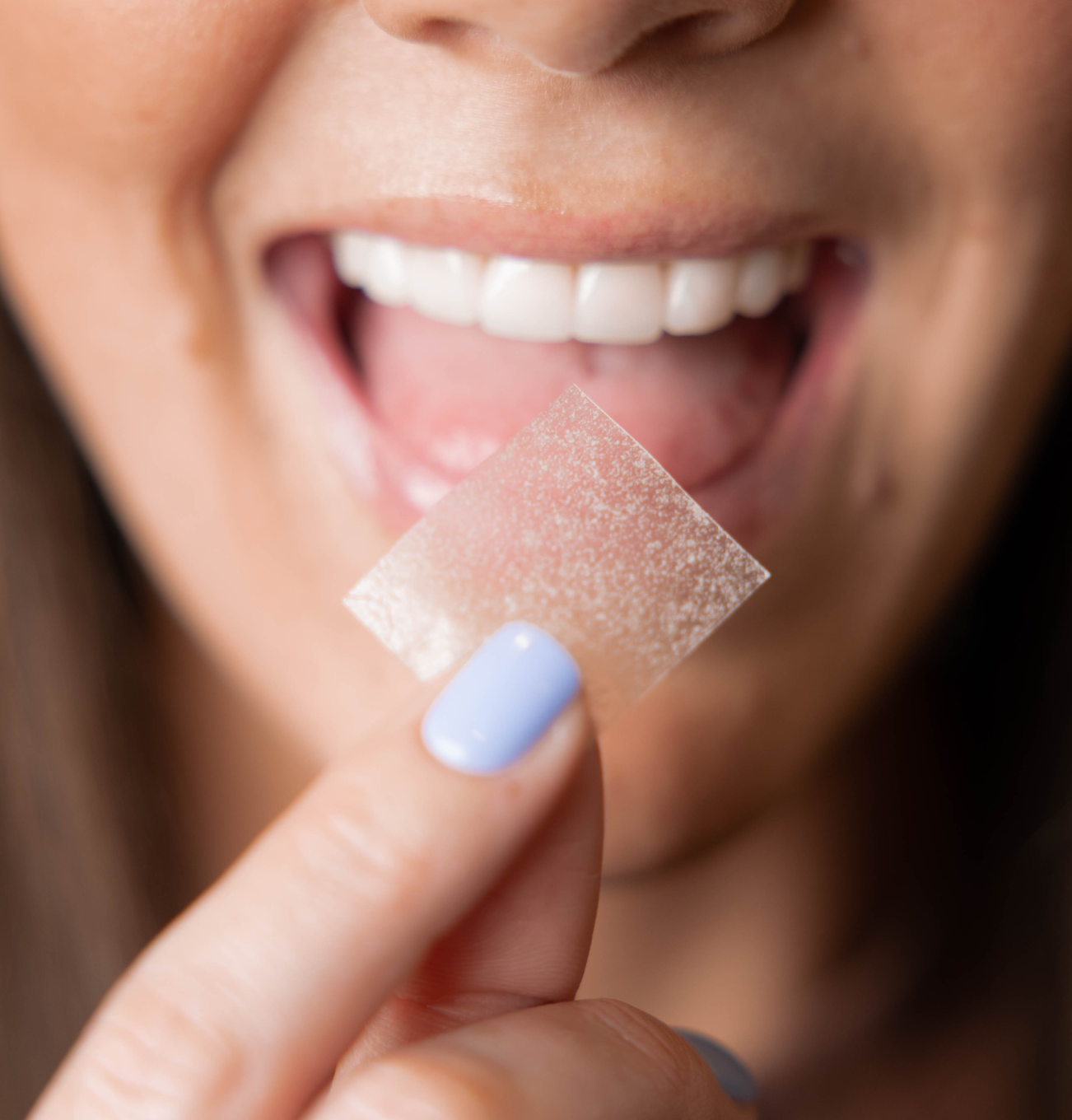
Peptide strips are thin, dissolvable films — similar in format to a breath strip — that are placed under the tongue or against the cheek and allowed to dissolve over a few minutes. Rather than being swallowed, the peptide compounds in the strip absorb directly through the mucosal tissue of the oral cavity into the bloodstream.
This delivery route is called sublingual (under the tongue) or buccal (cheek) absorption, and it takes advantage of the dense network of capillaries just beneath the thin tissue of the oral cavity. Because the peptide never passes through the stomach or intestines, it avoids the enzymatic degradation that makes swallowed peptide capsules ineffective. And because it absorbs directly into venous circulation, it also bypasses the liver’s first-pass metabolism that further reduces bioavailability in orally swallowed compounds.
The result is a delivery format that is fast, precise, and — when properly formulated — highly bioavailable. TruHealth PT’s sublingual strips use InstaRelease™ technology to achieve up to 92% bioavailability, dissolving completely within minutes and requiring no water, no refrigeration, and no needles.
How Are Peptide Strips Different from Pills and Injections?
It helps to understand all three delivery formats side by side, because peptide strips are genuinely distinct from the other two — not just a more convenient version of a capsule.
Injectable peptides bypass the digestive system by depositing the compound directly into subcutaneous fat or muscle tissue via syringe. They have historically offered the highest bioavailability and remain the preferred clinical choice for localized delivery — injecting near a specific injured joint or tendon, for example. The practical downsides are well documented: daily injections require proper technique, refrigerated storage, medical-grade supplies, and a level of daily discipline that makes long-term compliance difficult for many people.
Oral peptide capsules and pills are swallowed and must survive the full gastrointestinal gauntlet — stomach acid, proteolytic enzymes, intestinal membrane barriers, and liver first-pass metabolism — before any active compound reaches systemic circulation. For most therapeutic peptides, this process destroys the majority of the dose. Pills are the most convenient format in theory but the least effective in practice for peptide delivery.
Sublingual peptide strips occupy a fundamentally different position. Like injections, they bypass the digestive system entirely. Like pills, they require no needle and no clinical setting. The strip dissolves against the mucosal tissue under your tongue, the peptide diffuses through the capillary-rich lining directly into your bloodstream, and within minutes your body has the compound it needs — intact and bioavailable.
How Do Peptide Strips Work?
The mechanism comes down to the unique biology of the oral mucosa. The tissue under your tongue is among the thinnest and most permeable in the human body, supplied by a dense vascular network that connects directly to systemic circulation. When a peptide strip dissolves against this tissue, the active compounds diffuse through the epithelial layer and into the capillaries beneath — a process that begins within seconds of the strip making contact and completes within a few minutes.
Advanced formulations enhance this process further. TruHealth PT’s InstaRelease™ technology is engineered to optimize the rate of dissolution, the adhesion of the strip to mucosal tissue, and the stability of the peptide compounds up until the moment of absorption. The practical effect is a consistent, reliable dose every time — something that self-administered injections, where technique and site variation introduce real inconsistency, can’t always guarantee.
For a deeper look at the science of sublingual peptide delivery, including the research behind mucosal absorption and bioavailability, see our full guide: Oral Peptides: How Sublingual Delivery Works and Where to Buy High-Bioavailability Strips.
What Peptides Are Available as Strips?
The most meaningful advance in peptide strip technology is not just the delivery format itself — it’s that the format now works for a wide range of therapeutic peptides across different health goals. Here’s what TruHealth PT carries and what each peptide is designed to support:
BPC-157 is a 15-amino-acid peptide derived from a gastric protein, extensively studied for its role in tissue repair, gut healing, angiogenesis, and inflammation reduction. Sublingual delivery is particularly effective for systemic recovery and gut-focused applications.
NAD+ is nicotinamide adenine dinucleotide, a coenzyme central to cellular energy production, DNA repair, and mitochondrial function. Standard oral NAD+ supplements are largely destroyed before reaching circulation — sublingual strips are one of the most effective non-IV delivery options available for this compound.
CJC-1295 + Ipamorelin is a growth hormone secretagogue combination that stimulates the pituitary gland’s natural GH release. Supporting lean muscle development, fat metabolism, sleep quality, and recovery, this combination benefits significantly from the rapid and reliable absorption that sublingual strips provide.
GHK-Cu is a naturally occurring copper-binding tripeptide involved in collagen synthesis, wound healing, and skin regeneration. Its small molecular size makes it one of the most bioavailable peptides for sublingual delivery, and a natural fit for anti-aging and skin health goals.
PT-141 (bremelanotide) activates melanocortin receptors in the central nervous system to support sexual health and libido in both men and women. Because it works systemically through the nervous system rather than locally in tissue, sublingual strips are an ideal and discreet delivery format.
Thymosin Alpha-1 is a peptide produced by the thymus gland that regulates T-cell function and immune system balance. Used for immune optimization and maintenance, it is well-suited to the daily consistency that sublingual strips make effortless.
Glutathione is the body’s master antioxidant — a tripeptide involved in neutralizing free radicals, liver detoxification, and cellular redox balance. Swallowed glutathione supplements are largely degraded before absorbing, making sublingual delivery genuinely superior to capsules for this compound.

Are Peptide Strips Effective?
The short answer is yes — when properly formulated. The key phrase is “properly formulated,” because not all peptide strips are created equal. The bioavailability of a sublingual strip depends on the quality of the peptide itself, the formulation of the strip matrix, the adhesion properties that keep it in contact with mucosal tissue, and the stability of the compound during storage and dissolution.
Poorly made strips — thin films with low-grade peptide compounds and no delivery-enhancing technology — will underperform. Well-engineered strips using pharmaceutical-grade peptides and advanced release technology are a different story. TruHealth PT’s InstaRelease™ strips are formulated to the latter standard, achieving up to 92% bioavailability in a format that is consistent from strip to strip.
The compliance factor is also worth taking seriously. A peptide therapy protocol that requires 90 days to produce its full effect only works if you actually use it for 90 days. The friction of daily injections — finding supplies, proper technique, rotating sites, managing sharps disposal — causes many people to fall off their protocols. A strip that takes two minutes under the tongue removes that friction almost entirely, and the patient who uses their strips every day will consistently outperform the patient who skips injections several times a week.
Who Are Peptide Strips Right For?
Peptide strips are a strong fit for a wide range of people pursuing therapeutic peptide protocols:
Anyone who wants the benefits of peptide therapy without needles is the most obvious candidate — whether that’s due to needle aversion, lifestyle convenience, or simply not wanting to manage injection supplies and refrigerated storage. Active individuals using peptides as part of a daily recovery and performance routine will find strips easy to integrate into a morning wellness stack. People focused on longevity, anti-aging, hormone optimization, cellular energy, or immune health — systemic goals that don’t require localized tissue delivery — are well-served by sublingual strips. And anyone who has tried injectable protocols in the past but struggled with adherence will find the format dramatically lowers the barrier to consistency.
Where to Buy Peptide Strips

TruHealth PT offers a full lineup of pharmaceutical-grade sublingual peptide strips available for purchase online, shipped anywhere in the United States, or in person at our clinic in Provo, Utah. All strips are formulated with InstaRelease™ technology for up to 92% bioavailability — no prescription required, no needles, no refrigeration needed.
Browse the full collection at our Sublingual Peptides page and find the right peptide for your health goals.
Frequently Asked Questions
Are peptide strips the same as peptide capsules? No. Peptide capsules are swallowed and must survive digestion, which destroys most therapeutic peptides before they reach the bloodstream. Peptide strips dissolve under the tongue and absorb directly through oral mucosal tissue, bypassing the digestive system entirely. They are a fundamentally different — and far more effective — delivery format for most peptides.
How long does it take for a peptide strip to work? The strip begins dissolving the moment it contacts the tissue under your tongue. Most strips dissolve completely within two to three minutes, with the peptide entering your bloodstream during that window. Onset of noticeable effects depends on the specific peptide — some compounds work acutely, while others like CJC-1295 + Ipamorelin accumulate benefits over weeks of consistent use.
Do I need a prescription for peptide strips? TruHealth PT’s sublingual peptide strips are available without a prescription. As with any therapeutic compound, consulting a healthcare provider before starting a peptide protocol is always recommended, particularly if you are managing an existing medical condition or taking other medications.
Are peptide strips better than injections? For most systemic wellness, recovery, and optimization applications, sublingual strips now offer comparable bioavailability to injectable peptides with significantly better real-world compliance. Injections retain an advantage for highly localized delivery applications. For most people pursuing peptide therapy, strips are the better practical choice. See our full breakdown in Oral vs Injectable Peptides.
Call/Text us at any time for more information or to order you Instamed® Oral Dissovling Peptide Strips today:
(801) 318-4260