Peptides have long been one of the most powerful tools in regenerative and functional medicine — but for most of their history, accessing their benefits required a needle. Injections dominated peptide therapy not by preference, but by necessity: the human digestive system is ruthless at dismantling these delicate protein fragments before they can reach the bloodstream.
That’s changing. Advances in oral and sublingual peptide delivery are unlocking a new era of non-invasive peptide therapy, making it more accessible, more consistent, and — when formulated correctly — genuinely effective. This article breaks down the science behind oral peptides, the challenges that had to be solved to get here, and how modern sublingual delivery technology is closing the gap with injectable methods.
What Are Peptides?
Peptides are short chains of amino acids — the same building blocks that make up proteins. While proteins can contain hundreds or thousands of amino acids, peptides are typically defined as chains of fewer than 50 amino acids, which gives them a distinct molecular profile that allows them to interact precisely with receptors throughout the body.
Peptide-based pharmaceuticals have emerged as a viable option among small molecular medications due to their excellent selectivity and efficacy, coupled with their inherent low toxicity. Unlike many pharmaceutical compounds that affect broad physiological pathways, peptides act more like keys fitting specific locks — triggering targeted biological responses with minimal collateral disruption.
The body naturally produces thousands of its own peptides, many of which regulate critical functions: growth hormone secretion, immune modulation, tissue repair, cellular energy metabolism, and more. Therapeutic peptides either mimic these naturally occurring signals or enhance pathways that tend to decline with age, stress, or injury.
The global peptide and protein therapeutics market was valued at $42.8 billion in 2023 and is expected to grow at a compound annual growth rate of 7.9% between 2024 and 2032, potentially surpassing $80 billion by 2033.
Peptides vs. Proteins
The distinction between peptides and proteins matters more than it might seem, especially when it comes to delivery. Proteins are large, complex molecules that are almost impossible to deliver intact through any non-injectable route. Peptides, being shorter and lighter, are more amenable to alternative delivery strategies — but they still face significant obstacles in the gastrointestinal environment.
Molecular weight is a critical variable. Smaller peptides (typically under 1,000 daltons) have a higher theoretical capacity for mucosal absorption, while larger peptides are progressively harder to transport across biological membranes without specialized delivery systems. This is why the peptide therapy field has focused so heavily on both chemical modification and delivery innovation — not just formulating peptides differently, but designing entirely new ways to get them into the body.
The Challenge of Oral Peptide Delivery
For most of the history of peptide medicine, oral delivery was considered impractical. The reasons come down to a gauntlet the digestive tract puts every swallowed compound through.
The successful delivery of peptides through the gastrointestinal tract encounters numerous challenges, such as enzymatic degradation, poor stability, limited permeability, and low oral bioavailability.
Here’s what that gauntlet looks like step by step:
Enzymatic Degradation: The stomach and small intestine are rich with proteolytic enzymes — molecules specifically designed to break proteins and peptides into their component amino acids. Most therapeutic peptides don’t survive this process long enough to be absorbed intact.
Gastrointestinal Instability: Key factors influencing the absorption efficiency of oral bioactive peptides include issues related to bitter taste perception, challenges in gastrointestinal environmental stability, and limitations in transmembrane transport.
Membrane Permeability: Even peptides that survive digestion must cross the intestinal epithelium to reach systemic circulation. Oral peptide bioavailability depends on a chain of constraints: survival in GI conditions, ability to cross the intestinal barrier, and resistance to first-pass clearance sufficient to produce measurable exposure in the intended compartment.
First-Pass Metabolism: Compounds absorbed through the GI tract pass through the liver before entering systemic circulation. The liver’s metabolic enzymes can further degrade peptides, reducing the effective dose that reaches target tissues.
These compounding obstacles explain why although the oral route of drug administration is the preferred one by the vast majority of patients and improves compliance, peptide-based medications due to their specific chemical structure are typically delivered parenterally, which ensures optimal bioavailability.
Why Sublingual Delivery Changes the Equation
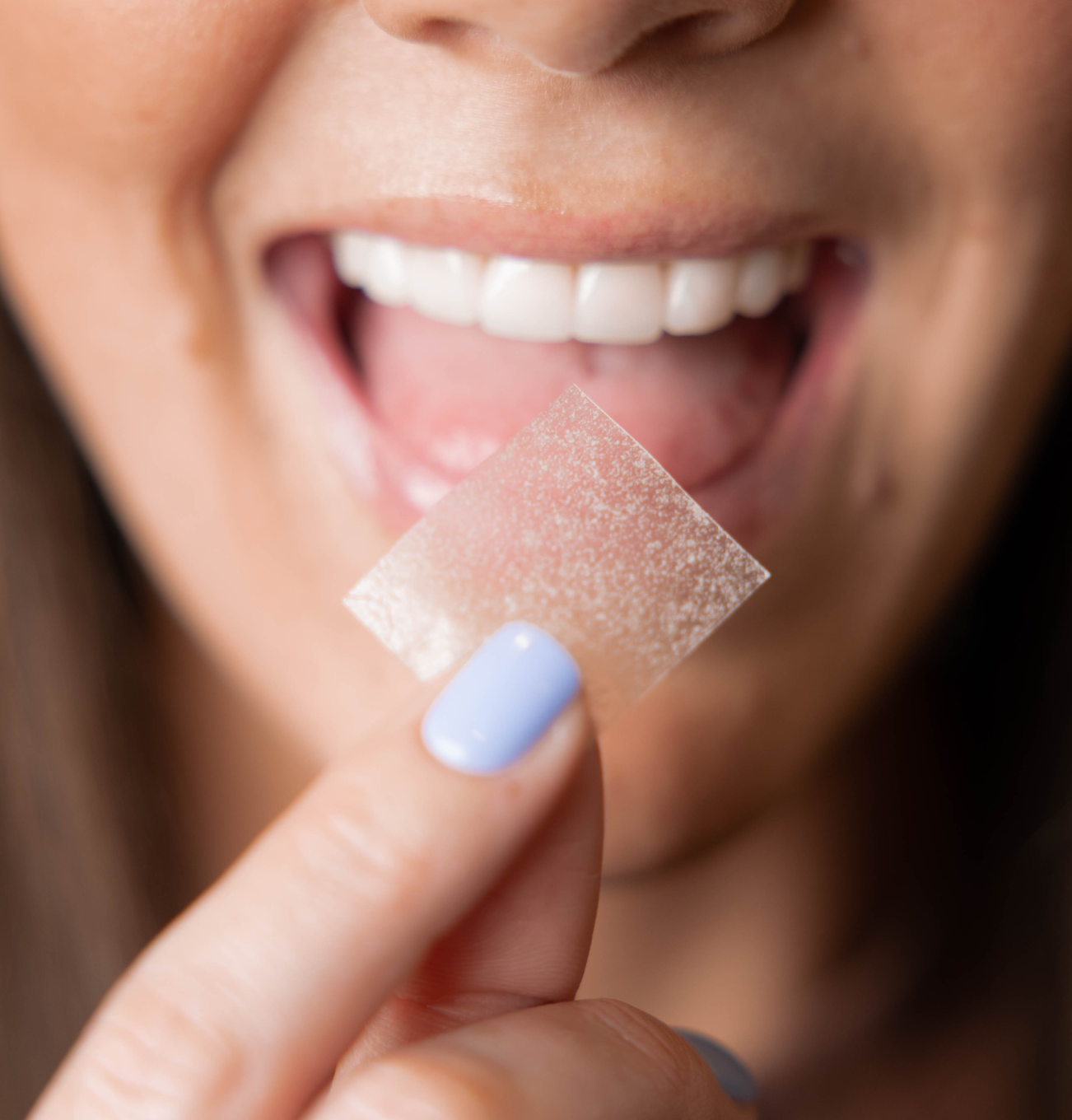
Sublingual (under the tongue) and buccal (cheek) delivery take a fundamentally different approach by bypassing the GI tract entirely. Rather than swallowing a peptide and hoping it survives digestion, sublingual delivery deposits the compound directly onto the highly vascularized mucous membranes of the oral cavity.
Therapeutic proteins often require needle-based injections, which compromise medication adherence especially for those with chronic diseases. Sublingual administration provides a simple and non-invasive alternative.
The tissue under the tongue is thin, permeable, and supplied by a dense network of capillaries. When a peptide dissolves against this tissue, it can diffuse directly into the bloodstream — skipping the stomach, intestines, and first-pass liver metabolism that destroys orally swallowed peptides.
This is the core mechanism behind TruHealth PT’s sublingual peptide strips. Using InstaRelease™ technology, these dissolving strips deliver therapeutic peptides directly through the buccal membranes, achieving up to 92% bioavailability — a rate that meaningfully competes with injectable delivery without the need for needles.
That said, sublingual delivery has its own set of technical challenges. Involuntary swallowing of saliva, the dosage form itself, or concomitant food and liquid intake can physically remove the drug from the absorption site, further lowering absorption efficiency. This is why the formulation of the delivery system matters as much as the peptide itself — the strip must dissolve quickly, adhere to mucosal tissue, and release its payload before saliva washes it away.
Strategies That Make Sublingual Peptide Delivery Work
Modern sublingual peptide formulations have overcome these barriers through several overlapping strategies, many of which are now incorporated into commercially available sublingual strips.
Mucoadhesive Polymer Systems
Mucoadhesive excipients are materials that bind to the mucosal surface and resist salivary washout. Chitosan-coated liposomes have been reported to increase mucoadhesion and epithelial uptake, with in vivo studies showing enhanced bioavailability and prolonged plasma exposure. By giving the peptide more time in contact with the mucosal surface, mucoadhesive delivery systems significantly improve absorption.
Permeation Enhancers
Permeation enhancers are compounds that transiently increase the permeability of mucosal tissue, allowing larger peptide molecules to cross more efficiently. Pharmaceutical and technological strategies including use of absorption enhancers, enzyme inhibition, and chemical modification play essential roles in improving oral bioavailability of protein and peptide drugs.
Cell-Penetrating Peptides (CPPs)
One of the more exciting advances involves conjugating therapeutic peptides to cell-penetrating peptide sequences that actively facilitate transport across mucosal membranes. Cell-penetrating peptides (CPPs) are emerging as a promising and versatile tool to enhance protein and peptide permeation across various mucosal barriers.
Nanoparticle Carriers
Polymer nanoparticles have a simple preparation process, smaller system size, and better stability which can protect bioactive peptides from being decomposed in harsh gastrointestinal environments, thereby improving the oral bioavailability of bioactive peptides. When embedded in dissolving strips, nanoparticle carriers can deliver peptides in a protected form that is released only once the strip contacts mucosal tissue.
TruHealth’s Sublingual Peptide Lineup
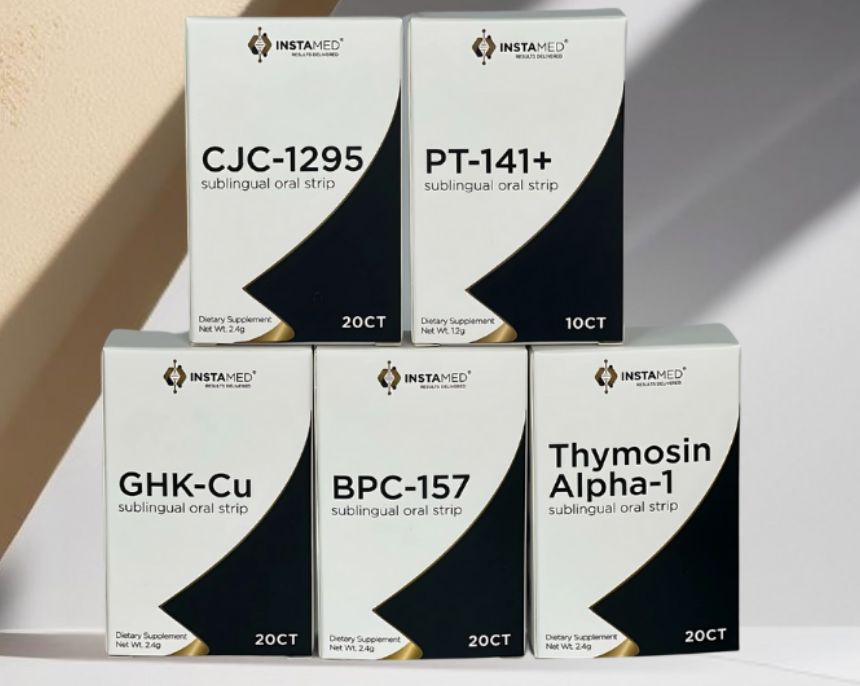
With the science of sublingual delivery now understood, here’s a look at the specific peptides available through TruHealth PT and what each is designed to support.
BPC-157 — Tissue Repair and Gut Health
Sublingual BPC-157 is one of the most researched peptides in regenerative medicine. BPC-157 accelerates healing throughout the body by promoting angiogenesis — the formation of new blood vessels — and enhancing cellular repair mechanisms. Whether recovering from injury, managing joint discomfort, or addressing gut health issues, BPC-157 supports the body’s intrinsic repair processes.
Oral BPC-157 is best for gut repair and inflammation, offering easier daily use, while injectable forms are typically preferred for tendon, muscle, and ligament injuries requiring higher localized bioavailability. For individuals focused on digestive health, mucosal repair, or whole-body systemic support, sublingual BPC-157 is a compelling option.
NAD+ — Cellular Energy and Longevity
Sublingual NAD+ addresses one of the most fundamental drivers of aging: the decline of nicotinamide adenine dinucleotide. NAD+ is a vital molecule involved in cellular energy production and DNA repair, and clients seeking improved energy, cognitive function, and overall vitality are primary candidates for this therapy.
NAD+ is particularly well-suited to sublingual delivery. Because it is involved in cellular processes throughout the body, systemic absorption is the goal — and bypassing GI degradation ensures a more reliable dose reaches circulation.
CJC-1295 + Ipamorelin — Growth Hormone Optimization
Sublingual CJC-1295 + Ipamorelin is a combination growth hormone secretagogue that works by stimulating the pituitary gland’s natural GH release. CJC-1295 is a synthetic analog of growth hormone-releasing hormone (GHRH) that, together with Ipamorelin, works synergistically to enhance pulsatile GH release, closely mimicking the body’s natural rhythms.
CJC-1295+Ipamorelin may help support lean muscle development while encouraging healthy fat metabolism. Many users also report better sleep quality, since growth hormone is released primarily during deep sleep, and enhanced recovery from physical activity.
Sublingual delivery is particularly valuable for this peptide combination because it allows for rapid absorption — the strip begins dissolving the moment it touches the tissue under the tongue, and within a couple of minutes it’s completely dissolved, with the peptides already entering the bloodstream where they can signal the body to increase growth hormone production.
GHK-Cu — Skin Regeneration and Collagen Support
Sublingual GHK-Cu is a copper-binding peptide naturally found in human plasma, saliva, and urine. GHK-Cu is a copper peptide naturally found in the body, known for its skin-healing and anti-aging properties, and it is suited for anyone looking to rejuvenate their skin and achieve a youthful, radiant complexion.
Research into GHK-Cu has explored its role in stimulating collagen and glycosaminoglycan synthesis, promoting wound healing, and modulating inflammatory gene expression. Sublingual delivery ensures systemic distribution of this peptide, supporting skin and tissue health from the inside out.
PT-141 — Intimacy and Libido Support
Sublingual PT-141 (bremelanotide) works through a unique mechanism compared to most intimacy-focused compounds. Rather than acting on the vascular system, PT-141 activates melanocortin receptors in the central nervous system to support sexual arousal and desire in both men and women.
Because PT-141 acts centrally, reliable systemic absorption is critical to its efficacy — exactly the kind of delivery profile that sublingual strips are engineered to provide. PT-141 has been studied for both male and female sexual dysfunction and represents one of the more innovative applications of peptide therapy in the area of sexual health.
Thymosin Alpha-1 — Immune Modulation
Sublingual Thymosin Alpha-1 is a naturally occurring peptide produced by the thymus gland with a central role in immune regulation. Thymosin Alpha-1 enhances the body’s natural immune response by regulating T-cell function and promoting immune system balance.
It has been studied extensively in the context of viral infections, autoimmune conditions, and post-illness recovery, and is used in multiple countries as an approved pharmaceutical agent for immune support. For individuals looking to maintain or restore immune function — whether due to illness, aging, or chronic stress — Thymosin Alpha-1 represents a well-researched option.
Glutathione — Antioxidant Defense and Detoxification
Sublingual Glutathione is the body’s master antioxidant — a tripeptide (composed of glutamine, cysteine, and glycine) that is involved in neutralizing free radicals, supporting detoxification pathways in the liver, and maintaining cellular redox balance.
Oral glutathione supplementation has historically faced a bioavailability problem: gastric enzymes readily break down the tripeptide before it reaches circulation. Sublingual delivery bypasses this obstacle, allowing intact glutathione to enter the bloodstream directly. This makes sublingual glutathione one of the most meaningful upgrades sublingual technology offers over standard oral supplementation.
Are Oral Peptides Effective?
The honest answer is: it depends on the peptide, the formulation, and the delivery system.
Traditional oral peptide delivery — capsules or tablets swallowed with water — still faces serious absorption barriers. Injectable delivery remains the most effective and reliable method for peptide absorption, especially for performance, recovery, and hormone optimization. That remains true for many applications, particularly where high peak plasma concentrations are required, as with some injectable protocols.
However, sublingual delivery occupies a meaningfully different category than traditional oral supplementation. Rather than navigating GI enzymes and intestinal membranes, sublingual peptides absorb directly through vascular oral tissue. The practical result — up to 92% bioavailability with TruHealth PT’s InstaRelease™ strips — represents a delivery profile that makes sublingual formulations a legitimate alternative for most users.
Consistency also matters. Each strip contains exactly the same amount, giving users reliable results every time — something that can be harder to achieve with self-administered injections, where technique and site variation introduce dosing inconsistency.
Peptide Therapy at TruHealth PT
TruHealth PT’s approach to peptide therapy reflects an understanding that the best therapeutic tool is one a person will actually use consistently. Injections are effective, but for many individuals — especially those managing multiple health priorities, busy schedules, or needle aversion — the compliance math doesn’t always work in their favor.
The sublingual peptide strips available at TruHealth PT are designed to solve that equation. By combining rigorously formulated peptides with a delivery format that is fast, precise, and needle-free, they make it realistic for patients to maintain consistent protocols over the weeks and months that peptide therapy requires to produce its full effect.
Each peptide in the TruHealth PT lineup targets a distinct physiological priority:
- Healing and recovery: BPC-157
- Cellular energy and aging: NAD+
- Hormone optimization: CJC-1295 + Ipamorelin
- Skin and tissue regeneration: GHK-Cu
- Sexual health: PT-141
- Immune function: Thymosin Alpha-1
- Antioxidant and detox support: Glutathione
The Future of Oral Peptide Therapy
The broader pharmaceutical and wellness industries are converging on the same realization: the future of peptide therapy is non-invasive. The FDA in 2019 granted approval to an oral formulation of semaglutide for the management of type 2 diabetes mellitus — a milestone that validated the fundamental premise that peptide drugs can survive and be absorbed without injection when formulated correctly.
Breakthroughs like oral semaglutide and permeation enhancers are making GI delivery more viable, and the technology continues to accelerate. Next-generation formulations are exploring combining peptides in single strips, using improved permeation enhancers to push bioavailability higher, and developing hybrid protocols that use injections for initial loading and sublingual strips for maintenance.
For patients and practitioners alike, this trajectory points toward a more accessible, more patient-friendly era of peptide therapy — one where the science of regenerative medicine isn’t gated behind a syringe.
Frequently Asked Questions About Oral Peptides
What is the difference between sublingual and oral peptides? “Oral peptides” broadly refers to any peptide taken by mouth, including swallowed capsules. “Sublingual peptides” specifically refers to peptides absorbed through the tissue under the tongue or cheek, bypassing the digestive system entirely. Sublingual delivery generally offers substantially higher bioavailability than swallowed formulations for most peptides.
Are sublingual peptides as effective as injections? For many applications, sublingual peptides with advanced formulation technology can approach injectable effectiveness. TruHealth PT’s InstaRelease™ strips are designed for up to 92% bioavailability. Injections remain preferred for some specific applications — particularly those requiring very high or localized tissue concentrations.
How do I use sublingual peptide strips? Place the strip under your tongue and allow it to dissolve completely — typically within a few minutes. Avoid eating, drinking, or swallowing during dissolution to maximize absorption contact with the mucosal tissue.
Can peptides be combined? Yes, and some combinations are specifically designed for synergistic effect. Popular combinations include BPC-157 with GHK-Cu for collagen and skin regeneration, and BPC-157 with CJC-1295/Ipamorelin for recovery and metabolism support. TruHealth PT can help guide appropriate peptide combinations based on individual health goals.
Who is a good candidate for sublingual peptide therapy? Anyone seeking to support recovery, immune function, hormone optimization, cellular energy, or skin health may benefit — particularly individuals who prefer a needle-free protocol or who have found injection-based therapy inconvenient to maintain consistently.